Coagulation Profile I
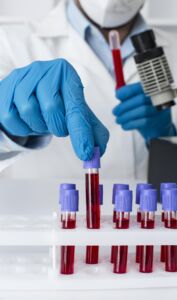
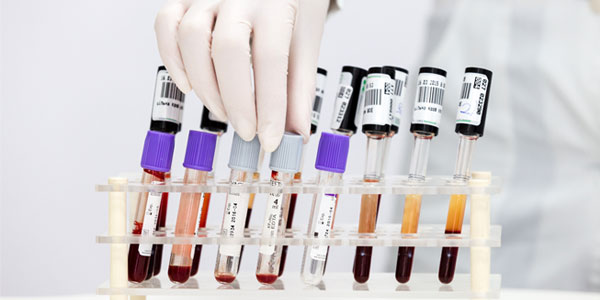
The Coagulation Profile I is a specialized blood test that evaluates the blood’s ability to clot effectively. It measures key aspects of the coagulation system to help diagnose bleeding disorders, monitor anticoagulant therapy, and assess liver function. This profile is essential for identifying issues with blood clotting and guiding appropriate medical interventions.
What is the Coagulation Profile I?
Indications for Testing
This test is recommended for individuals with symptoms of abnormal bleeding or clotting, such as easy bruising, frequent nosebleeds, heavy or prolonged menstrual bleeding, or excessive bleeding after injury or surgery. It is also commonly used to monitor anticoagulant treatment, assess liver disease, and evaluate bleeding risk before surgical procedures. What Does It Measure? The Coagulation Profile I includes:- Prothrombin Time (PT) / International Normalized Ratio (INR): Assesses how long blood takes to clot and is essential for monitoring warfarin therapy and liver function.
- Activated Partial Thromboplastin Time (aPTT): Evaluates the intrinsic clotting pathway and helps identify clotting factor deficiencies or inhibitors.
- Fibrinogen: Measures the level of fibrinogen, a key protein needed for clot formation. Abnormal levels may indicate bleeding disorders, inflammation, or liver disease.
Who Should Take This Test?
Ideal for individuals with suspected bleeding disorders, those on anticoagulant medications, patients with liver conditions, or anyone requiring pre-operative clotting assessment.Fasting Requirements
No fasting is required. However, avoiding alcohol and informing your healthcare provider about current medications is recommended, as some drugs may affect test results.- 1You want clear, objective information about your health — not guesswork
- 2You are starting a new treatment, therapy, or wellness programme and want a safe baseline
- 3You have ongoing symptoms that haven't been explained by a GP visit
- 4You want to monitor your progress after lifestyle, dietary, or medical changes
- 5You prefer to be proactive about your health rather than reactive
Why do you need this?
Many issues only become obvious after they have already affected your quality of life. This service gives you actionable data early — so you can make informed decisions rather than waiting for symptoms to worsen.
Whether you are maintaining good health or investigating a specific concern, having an accurate baseline changes what steps you take next.
- →Persistent fatigue or unexplained low energy
- →Preparing for a new treatment or aesthetic procedure
- →Annual health review — private, fast, and thorough
- →Investigating symptoms their GP hasn't fully explored
- →Wanting a second opinion backed by lab data
How it works
From booking to results in three straightforward steps.
Book Online
Choose your test, select a clinic or home visit, and confirm your appointment in seconds.
Visit Our Clinic
Attend one of our accredited clinics at your chosen time. Our team will carry out the sample collection quickly and comfortably.
Get Your Results
Your sample is analysed by accredited labs. Secure results delivered in 2–3 working days.
Your results explained
Your report presents each marker clearly against established reference ranges — making it straightforward to understand where you stand and what, if anything, needs attention.
Below Range
Next step: Review with a clinician to determine whether correction is needed.
Within Range
Next step: Proceed with confidence, and retest periodically to track changes.
Above Range
Next step: Clinician review is recommended before proceeding with any treatment.
How to prepare
Sample Timing
Attend between 7am and 12pm where possible. Wait until any illness has fully resolved. Avoid intense exercise for 24–48 hours beforehand, as this can affect certain markers.
Fasting & Hydration
Fasting is not always required, but some tests may recommend it. If fasting is advised, avoid food for 8–12 hours and drink water only. Stay well hydrated for accurate sample collection.
Medications & Supplements
Continue prescribed medications unless advised otherwise. Avoid vitamin, mineral, or biotin supplements for at least 24–48 hours before your test, as these can interfere with results.
Hormones & Menstrual Cycle
For hormone-related tests, timing within your menstrual cycle may be important. Follow the specific guidance provided in your booking confirmation email.