Hirsutism Profile
A comprehensive baseline diagnostic profile to check your core health markers — for safety, confidence, and smarter treatment decisions.
What is the Hirsutism Profile?
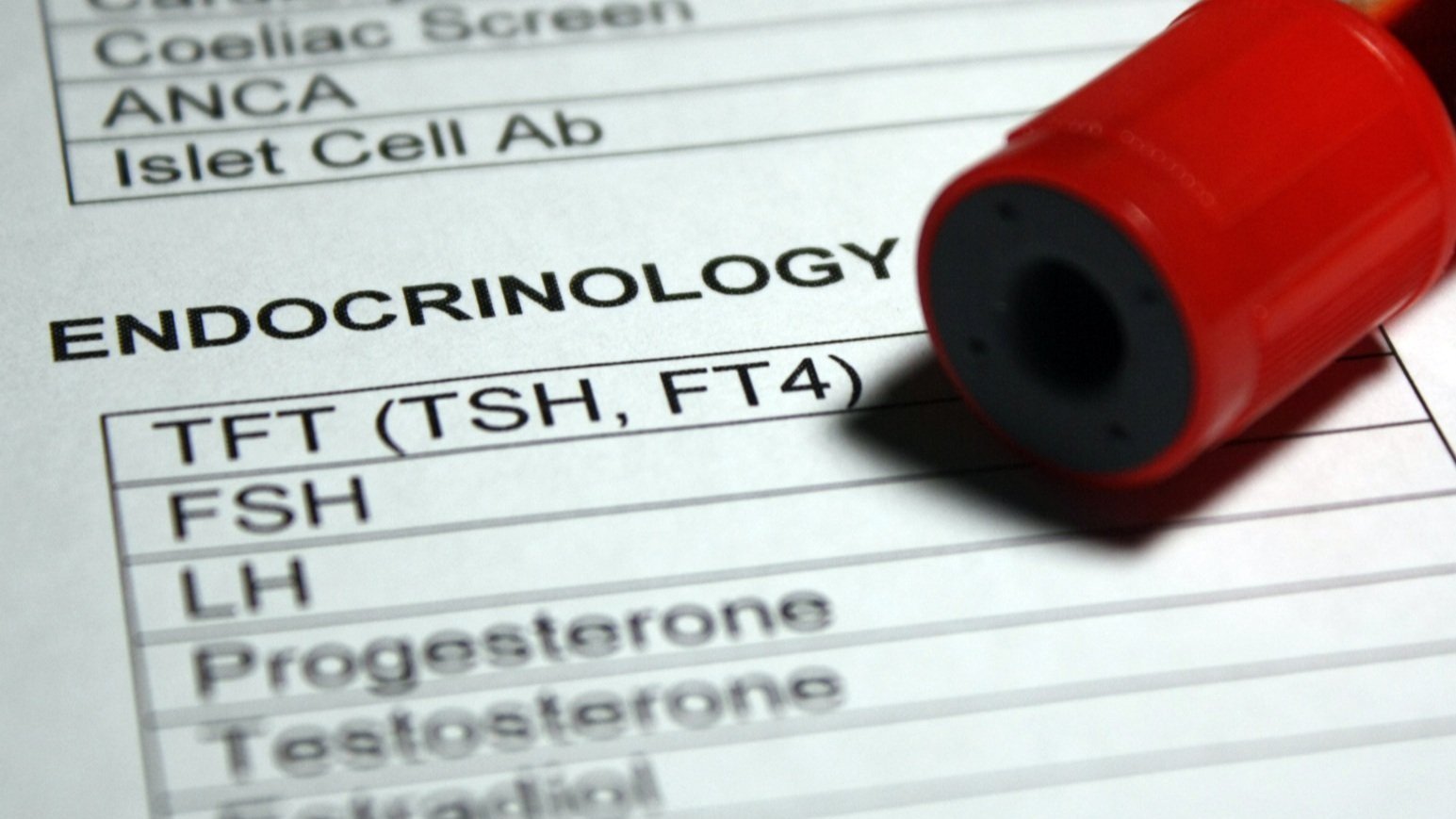
- The Hirsutism Profile is a specialized blood test used to investigate the causes of excessive hair growth in women, a condition known as hirsutism. This profile measures key hormones related to reproductive health, androgen levels, and thyroid function, offering valuable insights into hormonal imbalances that may contribute to hirsutism. What is the Hirsutism Profile? The Hirsutism Profile includes: Testosterone: A primary male sex hormone that can cause hirsutism when elevated in women. Sex Hormone Binding Globulin (SHBG): A protein that binds to hormones like testosterone, affecting their availability in the body. Luteinizing Hormone (LH) and Follicle-Stimulating Hormone (FSH): Reproductive hormones that regulate ovarian function and menstrual cycles. Prolactin (PRL): A hormone involved in lactation and reproductive health, elevated levels can affect ovulation and androgen production. Free Thyroxine (FT4): A thyroid hormone that influences metabolism and can contribute to hirsutism if imbalanced. Free Androgen Index (FAI): A calculation that represents the active levels of androgens (male hormones) in the blood. Indications for testing This profile is recommended for: Women experiencing hirsutism: Characterized by excessive hair growth on the face, chest, or other areas where men typically grow hair. Women with irregular periods or fertility issues: Hirsutism can sometimes be linked to underlying hormonal disorders that also affect the menstrual cycle and fertility. Investigating potential hormonal imbalances: Such as polycystic ovary syndrome (PCOS), hyperandrogenism, or thyroid disorders. What can be detected? The Hirsutism Profile can help detect: Elevated androgen levels: Such as testosterone, which may contribute to hirsutism. Hormonal imbalances: Associated with conditions like PCOS, hyperprolactinemia, or thyroid disorders. Thyroid function issues: That may influence hair growth and metabolic processes. Fasting requirements Fasting is typically not required for the Hirsutism Profile. However, specific instructions from your healthcare provider should be followed to ensure accurate results. Key benefits The Hirsutism Profile offers a comprehensive look at the key hormones that may be contributing to excessive hair growth and other reproductive health concerns. By identifying hormonal imbalances, this profile helps healthcare providers accurately diagnose the underlying cause of hirsutism and recommend appropriate treatments to restore hormonal balance and improve well-being.
- 1You want clear, objective information about your health — not guesswork
- 2You are starting a new treatment, therapy, or wellness programme and want a safe baseline
- 3You have ongoing symptoms that haven't been explained by a GP visit
- 4You want to monitor your progress after lifestyle, dietary, or medical changes
- 5You prefer to be proactive about your health rather than reactive
Why do you need this?
Many issues only become obvious after they have already affected your quality of life. This service gives you actionable data early — so you can make informed decisions rather than waiting for symptoms to worsen.
Whether you are maintaining good health or investigating a specific concern, having an accurate baseline changes what steps you take next.
- →Persistent fatigue or unexplained low energy
- →Preparing for a new treatment or aesthetic procedure
- →Annual health review — private, fast, and thorough
- →Investigating symptoms their GP hasn't fully explored
- →Wanting a second opinion backed by lab data
How it works
From booking to results in three straightforward steps.
Book Online
Choose your test, select a clinic or home visit, and confirm your appointment in seconds.
Visit Our Clinic
Attend one of our accredited clinics at your chosen time. Our team will carry out the sample collection quickly and comfortably.
Get Your Results
Your sample is analysed by accredited labs. Secure results delivered in 2–3 working days.
Your results explained
Your report presents each marker clearly against established reference ranges — making it straightforward to understand where you stand and what, if anything, needs attention.
Below Range
Next step: Review with a clinician to determine whether correction is needed.
Within Range
Next step: Proceed with confidence, and retest periodically to track changes.
Above Range
Next step: Clinician review is recommended before proceeding with any treatment.
How to prepare
Sample Timing
Attend between 7am and 12pm where possible. Wait until any illness has fully resolved. Avoid intense exercise for 24–48 hours beforehand, as this can affect certain markers.
Fasting & Hydration
Fasting is not always required, but some tests may recommend it. If fasting is advised, avoid food for 8–12 hours and drink water only. Stay well hydrated for accurate sample collection.
Medications & Supplements
Continue prescribed medications unless advised otherwise. Avoid vitamin, mineral, or biotin supplements for at least 24–48 hours before your test, as these can interfere with results.
Hormones & Menstrual Cycle
For hormone-related tests, timing within your menstrual cycle may be important. Follow the specific guidance provided in your booking confirmation email.